🎥 You can now request videos during loan applications
Back
Newsletter
🎥 You can now request videos during loan applications
Last updated October 4, 2024
Dara
In this post
Share
Hello, and Happy New Month! 🎉
Welcome to October!
To our Nigerian lenders, we extend our warmest congratulations on celebrating Independence Day 🇳🇬. As we enter the final quarter of the year, it’s time to reflect on the goals you set for your lending business at the start of 2024. Whether you’ve met them or are still working towards them, remember that “Success is the sum of small efforts, repeated day in and day out” – Robert Collier. Every step forward counts, and we’re here to support you along the way.
At Lendsqr, our focus has always been on delivering features that put you ahead in your lending operations. This quarter is no exception, and we’re excited to share what’s coming your way this month to help make managing your business smoother and more efficient.
What’s New
🎥 Want to know your customers? Let them request your loans with video messages
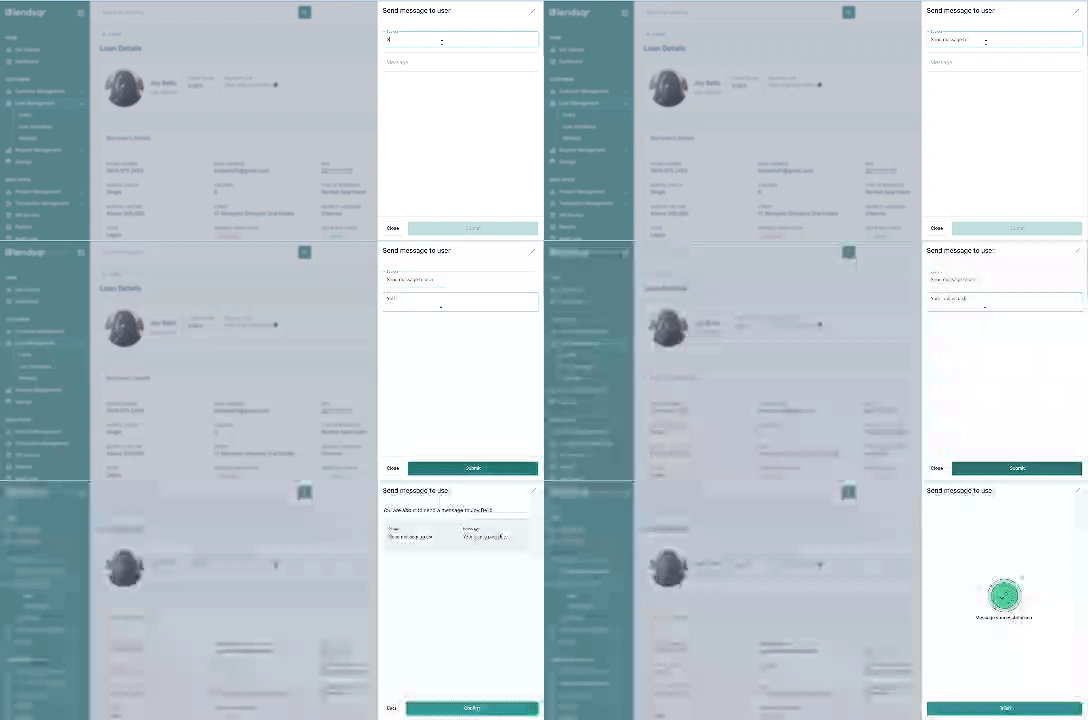
We have introduced a new way for you to connect with your customers. Now, your borrowers can submit their loan requests using video messages! This feature allows you to see and hear directly from them, giving you greater insight into their intentions and needs. It’s a step beyond the typical application, helping you make more informed decisions while building a personal rapport with your customers.
🛡️ Stop fraudsters and impersonators with NIN verification
We know how important it is to protect your business from fraud and ensure that you’re lending to the right person. That’s why we’ve integrated National Identification Number (NIN) verification into our platform. Now, you can configure your loan products to require NIN verification either before or after a loan offer. You can also use our NIN verification API on Adjutor <>.
By leveraging this tool, you’ll verify the identity of your borrowers, making sure that only legitimate customers gain access to your services and reducing the risk of fraud. 🔐
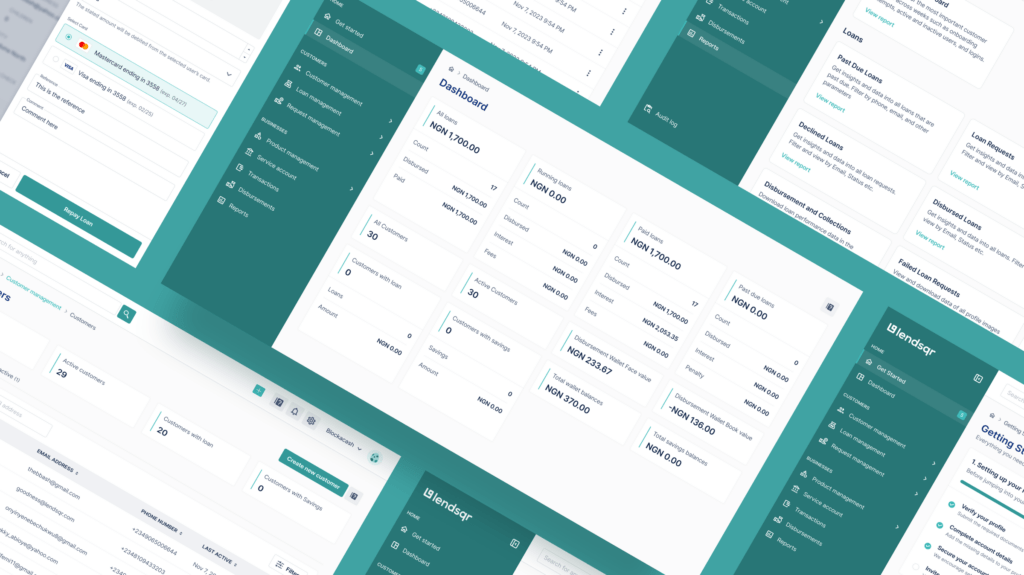
💼 We have now optimized customer and loan management modals on your admin console
We’ve worked hard to enhance the customer and loan management modals on your admin console, making them more user-friendly, intuitive and responsive. Now, you can manage customer profiles and loan details with greater ease, allowing you to focus on what really matters—growing your business and serving your customers efficiently.
📄 You can now view your customer’s pending verifications on the loan details page
We listened to your feedback and have now implemented an update that allows you to view your customer’s pending verifications directly from the loan details page. This feature makes you aware of the verifications your customers have pending at a glance allowing you to offer help to your customers whenever they make complaints about the delay in loan approval.
🔧 We have optimized the entire loan guarantee process
We’ve fine-tuned every step of the loan guarantee process to ensure it’s faster and more reliable.
Here is what is new:
No more duplicate uploads: Guarantors no longer need to upload the same documents as the loan applicant. If additional documents are required, they can be requested via a configurable loan form using JSON logic.
Improved payment method setup: A new redirect modal now guides guarantors through adding their payment methods, making the process more straightforward.
Clearer requirements upfront: Guarantors can now view the loan guarantee requirements right on the first page when they open the guarantee link—no need to search for details.
Easy access to verification: A guarantor verification link is now available directly on the loan details page for users who didn’t copy it during their loan application.
What’s Cooking?
🚀 Statement analysis is coming for every lender in all countries
Soon you will be able to gain deeper insights into your customers’ financial health with our statement analysis feature. It will go beyond assessing your customer’s loan repayment potential by also analyzing transaction patterns, income consistency, and spending habits. This tool will help you make smarter lending decisions, tailor financial products, and detect risks like fraud, all while improving your overall risk assessment process.
🤖 We’re experimenting with AI; it will transform your lending operations
Our team is experimenting with AI to transform your lending experience. We’re developing a chatbot that will assist with your lending operations, offering smart recommendations based on your common actions. This feature will be embedded directly into your admin console for seamless use.
📅 Prepare for our webinar in November!
We have an exciting new webinar coming up in November. Stay tuned for more details and make sure to mark your calendar. This upcoming session will provide you with even more insights and tools to optimize your loan business.
For more information about these features and updates, view our changelog or to schedule a consultation on navigating them, please reach out to us at [email protected] and we’ll be more than happy to help. Remember, your satisfaction fuels our commitment to excellence.
With Lendsqr, you can manage your business on the go. Download Lendsqr Admin from the Google Play Store.
Obtaining an FCA consumer credit license is a key step for businesses that want to offer loans, credit cards, BNPL, or other consumer credit products in the UK. This guide explains who needs FCA authorization, the application process, eligibility requirements, expected costs, and practical tips to help lenders navigate the licensing process successfully.
If you’re a non-profit or development finance institution (DFI), it should be easier to run a lending program if you're already doing the hard part of reaching people most others won’t.
The end-to-end loan management software that’s rewriting the rules for lenders globally by offering enterprise-grade features without the enterprise-grade costs.
September 30, 2024
Make Better Informed Decisions
Our decision model Oraculi helps you handle all modules required to form the decision model for your lending business, convenient and
easy.