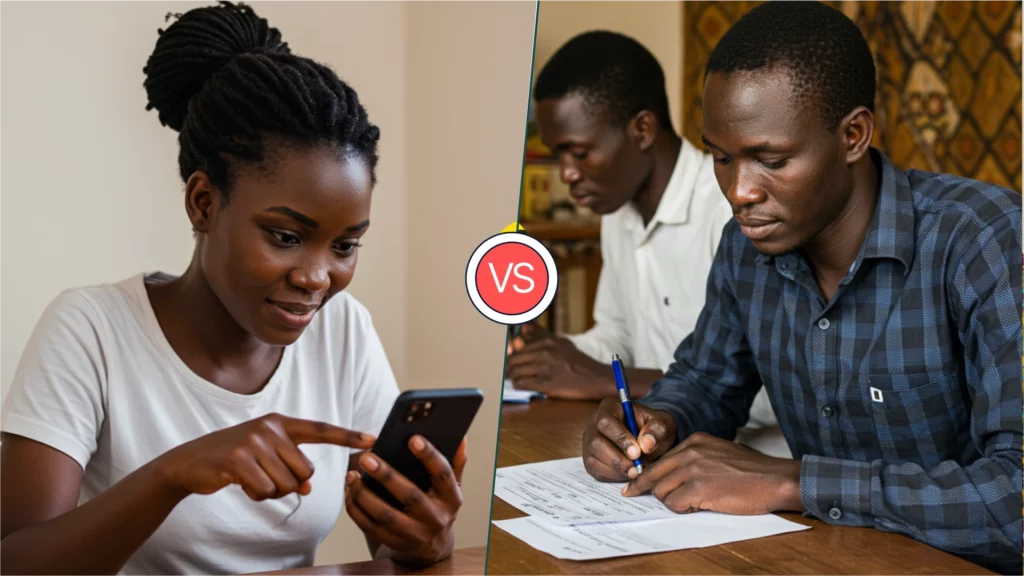
A few months ago, Sarah, a single mother living in Kampala, needed a new fridge. The old one had finally given out, and with two kids and a home-based snacks business to run, keeping things cold wasn’t optional.She didn’t have all the cash upfront, and her attempts to get a small loan from the bank were met with endless paperwork and a polite, “Sorry, you don’t qualify.”
Sarah was so frustrated she was ready to give up until she walked into a store and saw something she hadn’t expected: her dream fridge, right there, within reach. But the real surprise? She didn’t have to pay the full price upfront.
Instead, the store offered her an option she’d never considered before: Buy Now, Pay Later (BNPL). Just like the name suggests, BNPL allowed her to take the fridge home that same day with just her phone number and a valid ID. No long queues, collateral or waiting. It felt almost too easy.
Stories like Sarah’s are becoming more common in Uganda as BNPL services slowly change how people shop, borrow, and plan their lives. But does that mean they’re better than the trusted bank loans or savings and credit cooperative organization (SACCO) credit Ugandans have relied on for decades? Not so fast.
BNPL lets you buy a product or service now and pay for it in small, manageable installments over time often with little or no interest if you stick to the payment plan. It’s usually offered by fintech companies and is built right into the checkout process, whether you’re shopping online or in a local electronics shop.
Traditional lending means borrowing money from a bank, SACCO, or microfinance institution. These loans often come with fixed interest rates, structured repayment terms, and are typically used for bigger financial goals like starting a business, paying school fees, or improving your home. They take longer to process but are designed for long-term financial planning.
So, what works better for everyday Ugandans; BNPL or traditional loans? The answer depends on a lot and we’ll be breaking it all down in this piece to help you figure out what truly works best for your needs, your hustle, and your future.
Featured read: BNPL vs. traditional lending: What works best in Kenya?
Accessibility and reach
Traditional lending is deeply rooted in Uganda’s financial system, with banks, SACCOs, and microfinance institutions having a presence in nearly every district. Their physical branches give a sense of security and legitimacy, especially for older Ugandans who prefer face-to-face service. But despite this wide reach, getting a loan through these channels can feel like climbing a hill.
You’re often required to show proof of income, provide collateral, and have a decent credit history which many rural Ugandans simply don’t have. In fact, many eligible borrowers are turned away not because they’re unwilling, but because they can’t meet the system’s demands.
On the flip side, BNPL services are breaking down these barriers by making borrowing incredibly simple. All you usually need is a mobile phone, a national ID, and a few taps on a screen. This kind of accessibility is a game-changer. BNPL makes it possible for people, even those outside the banking system to access credit quickly and conveniently.
However, the catch is that it’s not universal. You’ll mostly find BNPL options at select merchants, and they often don’t cover every type of purchase like rent or school fees which limits its overall usefulness.
Cost implications
With traditional lending, cost is a significant factor. The interest rate you’re charged depends on your lender, but as of October 2024, Uganda’s central bank lending rate stood at 9.75%, according to Reuters. Commercial banks, however, typically charge more to cover their operational costs and to cushion themselves against risk.
On top of that, you might encounter processing fees, mandatory insurance, and penalties for missed payments. It all adds up quickly meaning a loan of UGX 1 million might cost a lot more than that in the long run.
BNPL, in contrast, often feels more affordable at least at first glance. If you make your payments on time, you might not pay any interest at all. That’s the sweet spot BNPL providers use to attract users. But don’t let the ‘interest-free’ label fool you entirely.
Late payments can lead to hefty fees, and if you fall too far behind, you may face aggressive recovery actions, including blacklisting. Some BNPL companies also build the cost of offering installment payments into product pricing, meaning you could be paying more for an item than someone who pays upfront. It’s credit with a sugar coating appeal, but you still need to read the fine print.
Featured read: How to use Lendsqr to build your BNPL app
Regulatory framework
Traditional lenders operate under strict oversight from the Bank of Uganda, which enforces consumer protection rules, ensures financial standards are upheld, and manages the Deposit Protection Fund giving depositors peace of mind with coverage up to UGX 10 million.
This regulatory framework has been key in maintaining stability in the sector and ensuring that people’s savings and loans are handled responsibly.
BNPL, being relatively new, is still catching up in the regulation game. The Uganda Microfinance Regulatory Authority (UMRA) introduced digital lending guidelines aimed at protecting consumers. These rules require fintech lenders to be licensed, provide clear terms and conditions, and avoid aggressive debt collection practices.
It’s a step in the right direction, but challenges remain. Enforcement is still weak in some areas, and many BNPL providers operate in a legal grey zone. As a user, you have to be extra vigilant because once you sign up, you may not have as much protection as you would with a traditional bank loan.
Financial inclusion and empowerment
Traditional lending has long been viewed as the gateway to financial empowerment, but its reach is limited. Women, for example, run nearly 39% of Ugandan businesses but receive just 9% of commercial loans, according to data shared on Wikipedia. The same goes for youth and informal sector workers, who often don’t have the paperwork or financial history required to qualify for bank credit.
This inequality in access creates a gap between those who need credit the most and those who can actually get it.
BNPL services are starting to close that gap. By riding on the back of mobile money and fintech innovations, they are giving more Ugandans a shot at financial participation.
In the second quarter of 2024 alone, Uganda recorded over 44.2 million mobile money registrations (ChimpReports), showing just how ready the population is for digital financial solutions.
Tools like gnuGrid’s mobile-based credit scoring system are helping young entrepreneurs access microcredit, even without formal banking history. This kind of innovation is helping to unlock potential, especially for youth who want to start small businesses or make essential purchases without waiting for a bank’s approval.
Risks and considerations
Traditional loans, while more structured, come with heavy consequences if things go wrong. Long repayment periods and high interest can lead to unmanageable debt. And when collateral is involved like land, a motorcycle, or even a family home, the stakes are even higher.
Many Ugandans have lost valuable assets simply because they couldn’t keep up with loan repayments, turning what was meant to be a financial lifeline into a financial trap.
BNPL may not require collateral, but its convenience can be a double-edged sword. Because it’s so easy to access, many people end up using it for non-essential purchases, stacking up multiple installment plans without realizing how much they owe.
This over-indebtedness can spiral quickly especially when late fees and penalties kick in. What’s more worrying is that a lot of users don’t fully understand the terms they’re agreeing to.
The fine print often gets overlooked, leading to misunderstandings and financial stress down the road. Education and awareness are necessary here, or else BNPL might end up doing more harm than good.
Featured read: How to get started as a lender in Uganda
How fintech and traditional banks might collaborate
At first glance, it might seem like fintechs and banks are on opposite sides of the credit battlefield. On one side, you’ve got sleek mobile apps offering quick loans and BNPL options with a few taps.
On the other, you have legacy banks with physical branches, formal processes, and loads of paperwork. But they don’t have to be rivals. In fact, in Uganda’s constantly dynamic financial ecosystem, these two players could be powerful allies.
Let’s break it down.
Banks come with deep pockets, strong regulation, and public trust. They have the money, they’re licensed by the Bank of Uganda, and they follow strict financial standards. But many banks still struggle to serve the average Ugandan quickly or conveniently especially those in rural areas or the informal economy. That’s where fintechs shine.
Fintechs are nimble and customer-obsessed. They design easy-to-use mobile interfaces, understand the pain points of the everyday boda rider or market vendor, and use data in smart ways.
Some fintechs even use alternative credit scoring like mobile money transaction history or airtime purchases to assess borrowers who would never qualify for a bank loan.
So imagine the possibilities when these two worlds collide.
Take BNPL, for example. A fintech can build the front-end experience: the app, the user onboarding, the reminders, the repayment system. But behind the scenes, a bank can supply the capital that powers those loans and ensure compliance with national financial regulations.
This model reduces the risks on both sides, the fintech grows faster, and the bank taps into new customer segments it otherwise couldn’t reach.
For Uganda, this could mean better access to responsible credit for millions. The future of lending may be a blend: the discipline and depth of banks, mixed with the speed and style of fintechs.
In the end, the goal is simple; more Ugandans financially empowered, with choices that are safe, transparent, and fit their real lives.
Featured read: Top 5 loan apps for UGX 200,000 in Uganda
What does the future hold?
BNPL isn’t just a trend, it’s a reflection of how Ugandans are adapting to modern spending habits. As online shopping grows and people look for more flexible ways to pay, BNPL is expected to keep expanding.
It appeals especially to the youth and urban workers who want instant access to goods without the red tape of traditional loans. But this doesn’t mean banks and SACCOs are going extinct. In fact, many are likely to respond by either developing their own digital credit products or partnering with fintechs to offer hybrid solutions.
Still, for these changes to benefit the wider economy and not trap people in debt there needs to be a balance. Stronger regulation is essential to protect consumers from exploitative lending. Financial literacy efforts must ramp up so borrowers understand their repayment terms and avoid overextending themselves.
And credit reporting systems need to improve so both fintechs and banks can lend more responsibly. The goal is the same: to give Ugandans access to the financial tools they need to thrive safely and sustainably.