As we usher in April, we also close the chapter on the first quarter of the year. It’s been a journey of growth, innovation, and resilience, and we’re excited to share our progress with you.
This month, we’re excited to unveil updates designed to streamline your lending experience. We hope that our advancements will inspire you, just as your loyalty continues to inspire us.
What’s New
🚀 Introducing reminders to your customers with pending mandate activation
Life gets busy, and sometimes, things slip through the cracks.
That is why we have developed a system that will send daily email and SMS reminders to customers with pending mandate activations until they’re completed or expire. 📧📱
The SMS and email reminders will include direct links for easy mandate activation. With this update, forgotten pending mandates will become a thing of the past!
🔄 Mandates are good; so let your customers get them on sign up
We’re excited to introduce a seamless mandate creation feature! With this update, every bank account added to your customer’s profile automatically triggers the setup of a mandate.
You can also customize your preferences through configurable settings on the Lendsqr admin console to opt for this feature.
🔑 Introducing Kolo: Your key to financial management!
Fresh out of Lendsqr Labs, we’re excited to present Kolo—an all-in-one for managing your bank balances and transactions. 💼
📱 One App, Total Control: Say goodbye to the confusion of managing bank transactions and balances across multiple bank apps. Kolo brings all your financial accounts and transactions into one unified space for effortless management.
💸 Real-Time Updates: Stay in the loop with real-time balance updates and detailed transaction insights right at your fingertips.
🔄 Seamless Transfers: Make transfers between accounts seamlessly, without the need to switch between apps or services..
Kolo simplifies financial management, making it simple, efficient, and user-friendly. It’s time to take control of your finances like never before!
💰 Experience the flexibility of manual loan repayment with mandates!
We have introduced a new feature that combines the convenience of manual loan repayments with the efficiency of mandates. Your users now have the option to manually repay their loans before the due date, all while seamlessly triggering the mandate process.
🔝 Subscribing to Lendsqr’s features is better than ever
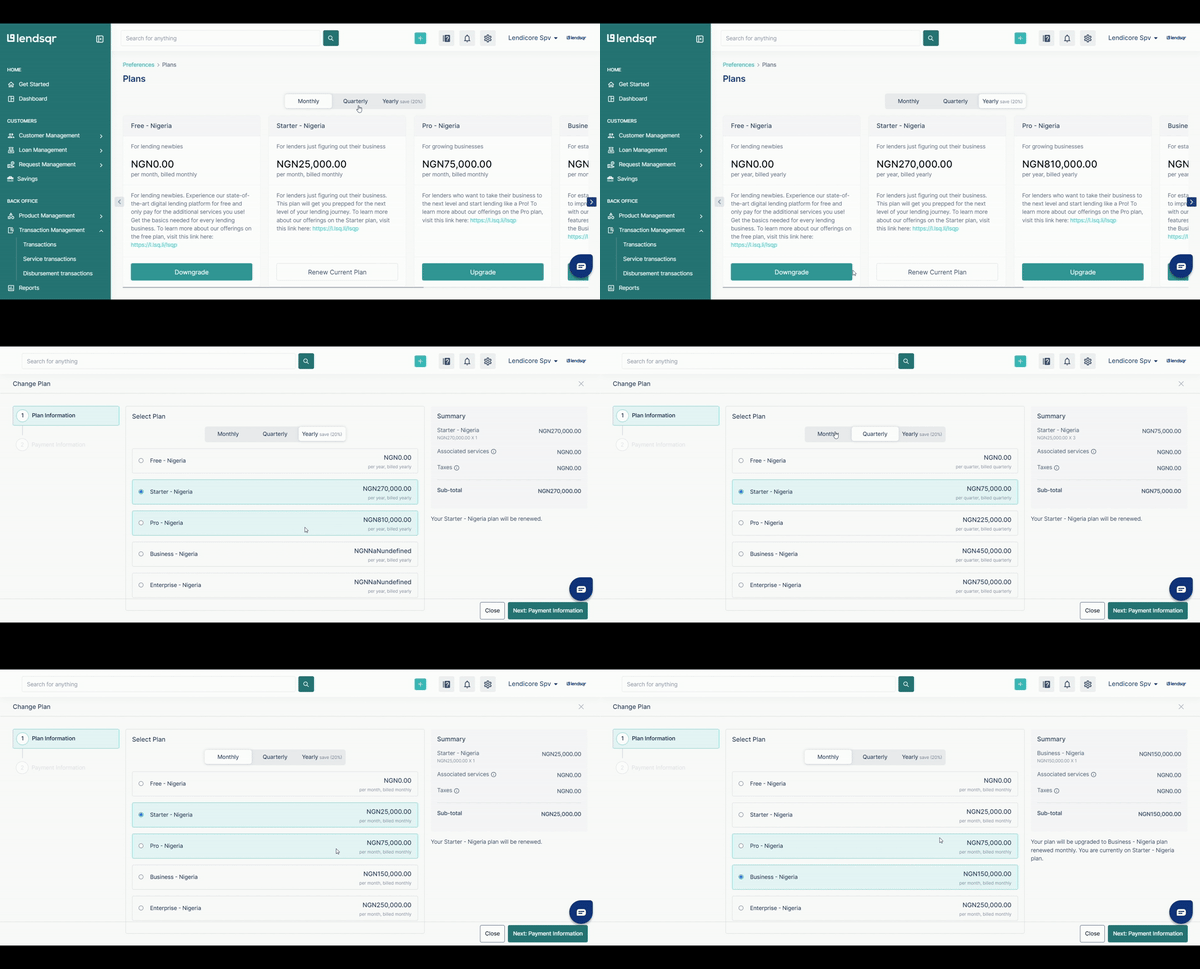
We have made some new enhancements to make subscribing to Lendsqr’s features better which gives you greater control and flexibility over your subscription.
Here’s what is new:
💡 Easy upgrade and downgrade: Whether you’re looking to scale up or streamline your subscription, Lendsqr now offers hassle-free upgrade and downgrade options.
🔄 Flexible billing cycles: Choose the billing cycle that suits your needs best—subscribe monthly, quarterly, or yearly, and enjoy a fantastic 20% discount! Saving while accessing premium features has never been easier.
⏰ Choose your timing: When upgrading or downgrading, you have the power to decide whether the change takes effect immediately or waits until after your current subscription expires. It’s all about putting the control back in your hands.
With these enhancements, managing your Lendsqr subscription is more convenient and customizable than ever before.
Don’t miss out on unlocking the full potential of Lendsqr’s features—subscribe today and elevate your lending experience!
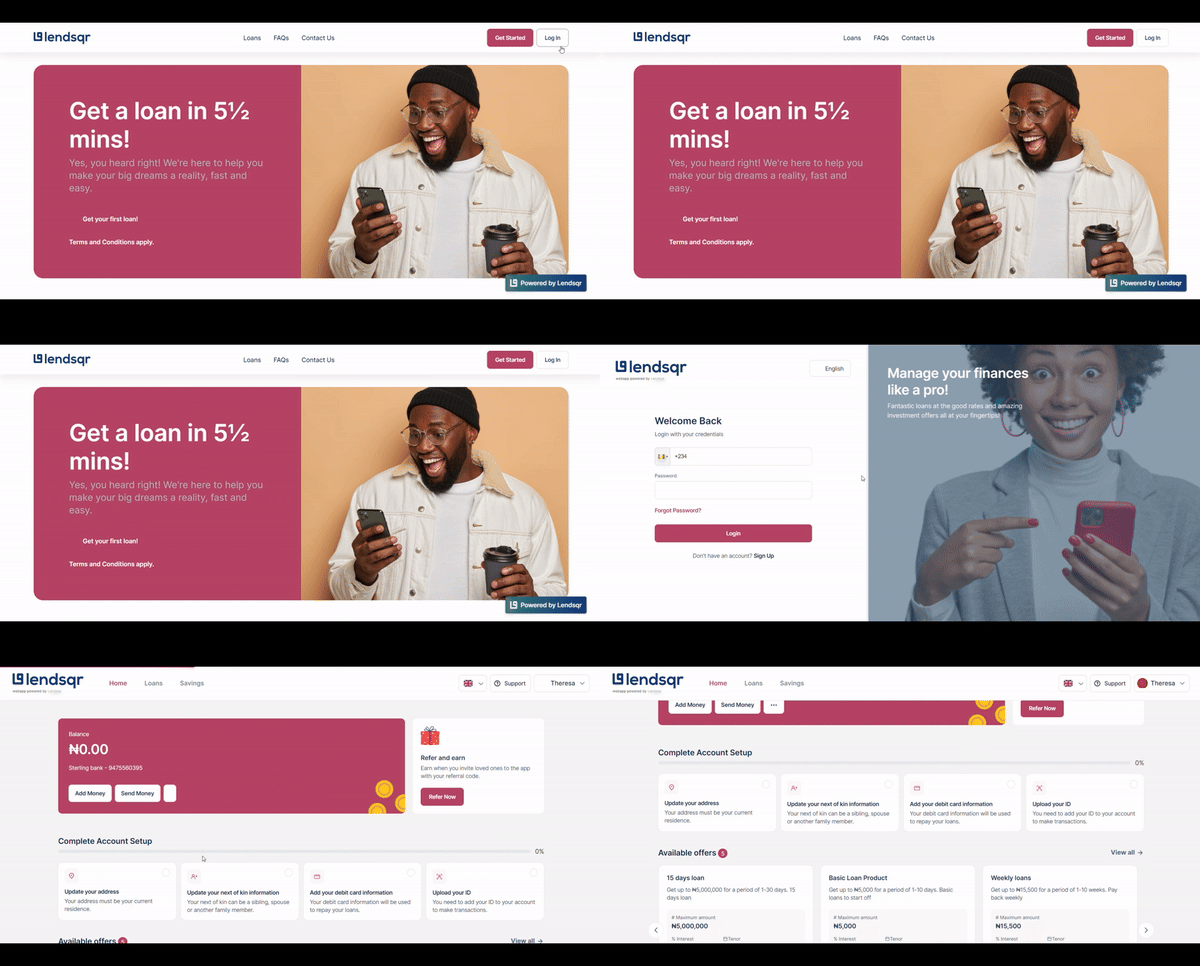
Get ready for a revamped experience as we’re in the process of upgrading your lender web app to enhance your customer’s user experience and interface.
With this redesign, loan applications will become even easier and more intuitive, ensuring a seamless journey from start to finish for your customers.
Prepare to embrace the newly designed app and enjoy a smoother, more efficient lending process than ever before!
🛠️ You will be able to edit or update your customer’s details
You will soon be able to edit customer details. This upcoming capability covers crucial information such as names, phone numbers, addresses, and next of kin details.
This feature will help you to effortlessly maintain accurate and up-to-date customer records.
🔜 You will soon be able to create account managers to manage specific customers
To improve customer organization and management, we are introducing a new role – account managers where you will be able to assign a set of customers to a particular account manager.
With this upcoming enhancement, keeping track of your customers will be simpler and more efficient than ever before!
🔜 You can now have branches and teams
Prepare for a streamlined customer management experience like never before as we gear up to introduce branches and teams to the Lendsqr admin console.
With this upcoming feature, you will have the power to assign borrowers to specific account managers within teams and across different branches, ensuring a structured and efficient approach to customer service.
For more information about these features and updates, view our changelog or to schedule a consultation on navigating them, please reach out to us at [email protected] and we’ll be more than happy to help.
Remember, your satisfaction fuels our commitment to excellence.
Obtaining an FCA consumer credit license is a key step for businesses that want to offer loans, credit cards, BNPL, or other consumer credit products in the UK. This guide explains who needs FCA authorization, the application process, eligibility requirements, expected costs, and practical tips to help lenders navigate the licensing process successfully.
If you’re a non-profit or development finance institution (DFI), it should be easier to run a lending program if you're already doing the hard part of reaching people most others won’t.
The end-to-end loan management software that’s rewriting the rules for lenders globally by offering enterprise-grade features without the enterprise-grade costs.
September 30, 2024
Make Better Informed Decisions
Our decision model Oraculi helps you handle all modules required to form the decision model for your lending business, convenient and
easy.