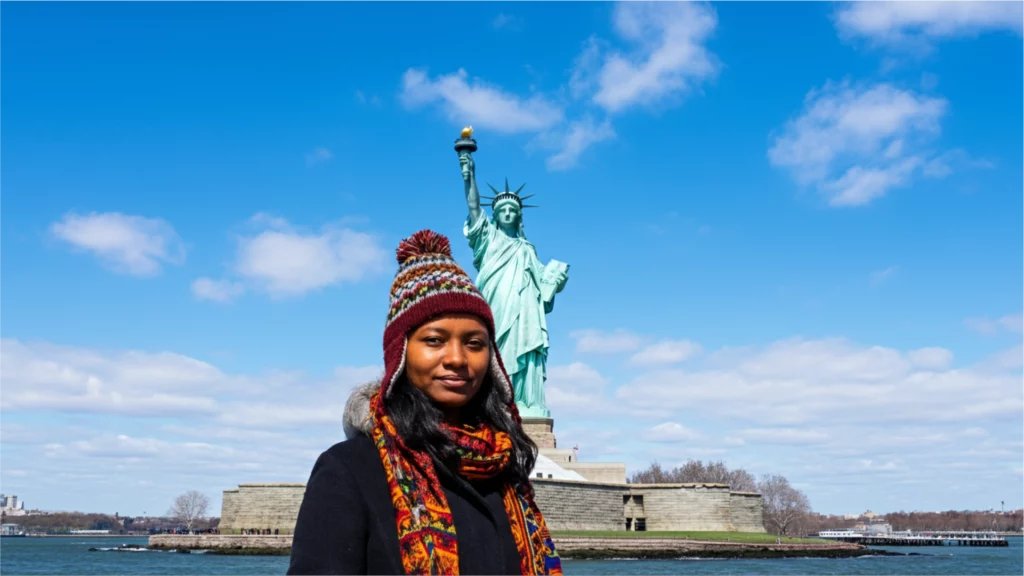
For many, studying in the US, one of the world’s global powers, is an exciting but expensive dream. Tuition alone can range from $20,000 to over $200,000 annually at Ivy League schools. And when you add housing, food, insurance, and other living expenses, the total cost can be overwhelming.
Unlike American students, Zimbabweans can’t access US federal student loans, making it essential to explore other financing options. Private student loans, scholarships, and university-based financial aid programs are some of the routes available, but each comes with its requirements and challenges. If you’re trying to figure out how to finance your studies, here’s a step-by-step guide to securing a student loan in the US as a Zimbabwean student.
Also read: How to get a business loan in Zimbabwe
Can international students from Zimbabwe get student loans in the US?
Yes, but options are limited. While federal loans are off the table, private student loans, scholarships, and university-specific financial aid programs are potential funding sources.
Key eligibility criteria for student loans
No federal aid access: International students are not eligible for US federal student loans.
Private loan focus: Your best bet is private loans from lenders that cater to international students.
Co-signer requirement: Many lenders require a co-signer who is a US citizen or permanent resident. However, some lenders waive this requirement for select applicants.
Enrollment in an eligible institution: You must be enrolled in an accredited US university or college.
Creditworthiness: Since you may lack a US credit history, some lenders evaluate your financial background in Zimbabwe or rely on a co-signer’s credit.
Also read: How to get started as a lender in Zimbabwe
Student loan options for Zimbabwean students in the US
Student loan options for international students generally fall into two main categories:
Secured education loans (Collateral-based loans): These loans require collateral as a guarantee. Your loan amount depends on the market value of the collateral provided. Typically, these loans are offered by banks and financial institutions and may come with:
- Lower interest rates compared to unsecured loans
- Possible tax benefits under Section 80E
- A margin money requirement of 5-10% of the loan amount.
Unsecured education loans (No collateral, Co-signer-based loans): These loans do not require collateral but often need a co-signer, usually a US citizen or permanent resident. They may have:
- Higher interest rates
- Up to 100% funding, depending on the lender and applicant profile
- A repayment period of 7-15 years, with some lenders requiring interest payments during the study period
Also read: How to get a lending license in Zimbabwe
Loan options for Zimbabwean students
Each option comes with distinct requirements regarding credit history, co-signers, and repayment terms that Zimbabwean students should carefully evaluate.
No co-signer education loan options
If you don’t have a US-based co-signer, some lenders still offer loans, though often with stricter eligibility criteria. These loans are typically disbursed in USD and are available from institutions such as MPOWER Financing, which offers student loans without a co-signer for students attending partner schools. Loan approvals are based on the student’s future earning potential rather than their current financial situation. While Prodigy Finance provides loans specifically for international students in select graduate programs. Unlike traditional lenders, Prodigy does not require a co-signer and determines loan eligibility based on the student’s earning potential. These options are particularly useful for students who do not have a family member or friend in the US who can co-sign their loan.
US co-signer education loan options
If you have a relative, mentor, or friend who is a US citizen or permanent resident and is willing to co-sign your loan, you may have access to more competitive loan options. Many US-based lenders, such as Sallie Mae, a well-known private lender in the US, typically require a US-based co-signer for international students. Discover Student Loans also provides education loans, but only to students who have a qualified US co-signer. These private lenders offer loans to international students as long as they have a qualified co-signer.
Preparing for the application process
Before applying, gather all necessary documents to avoid delays. Most lenders require:
- Passport and US student visa (F-1 or J-1 visa)
- University admission letter
- Proof of tuition fees and living expenses
- Credit history (if available)
- Co-signer details (if required)
Alternative ways to fund your education
Scholarships and Grants: Many scholarships cater to international students. Some options include: Fulbright Foreign Student Program, Joint Japan/World Bank Graduate Scholarship Program, Institutional scholarships from US universities etc.
Work-study opportunities: International students can work up to 20 hours per week on campus. Some assistantship programs also provide tuition discounts.
Tuition payment plans: Some universities allow students to pay tuition in installments rather than in one lump sum, making payments more manageable.
Also read: How to get a student loan in the UK as an international student from Zimbabwe
How to apply for a student loan
Research lenders – Compare interest rates, repayment terms, and eligibility requirements.
Check loan terms – Review co-signer requirements, repayment schedules, and any additional fees.
Submit your application – Most private lenders offer online applications.
Await approval – Loan processing times vary but can take a few weeks.
Sign the agreement – Carefully review and accept the loan terms before proceeding.
Receive funds – If approved, the loan amount is usually disbursed directly to your university, with any remaining funds sent to your account for living expenses.
Making your US education possible
Securing a student loan as a Zimbabwean in the US requires careful planning and thorough research. While federal loans aren’t an option, private lenders, scholarships, and financial aid programs can help bridge the gap. Whether you opt for a loan with a co-signer or explore no-cosigner options, understanding eligibility requirements and repayment terms is vital.
Start your loan search early, compare options, and plan your finances wisely to make your dream of studying in the US a reality. If you’re ready to explore funding options, begin by researching lenders and checking eligibility criteria today.
You need the right technology for lending success
We’re in the business of helping lenders worldwide have access to the best technology, and use credit to lift billions to their dreams and a better life.