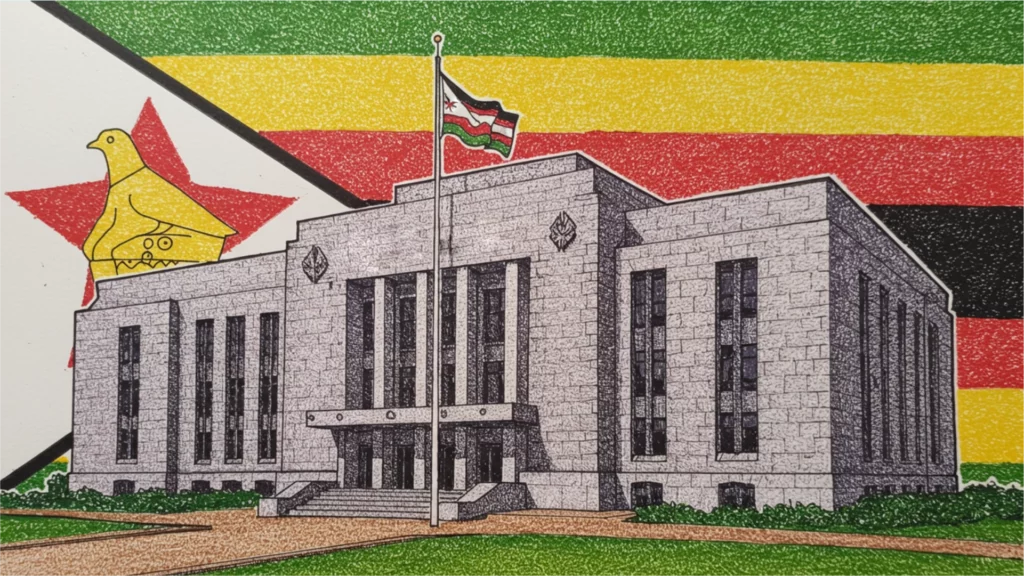
Lending in Zimbabwe sits at the intersection of policy, regulation, and survival. Behind every loan approval or denial is a complex system of laws and regulators meant to keep things in check.
For the average Zimbabwean, borrowing money is a survival strategy. According to the Zimbabwe National Statistics Agency (ZIMSTAT), nearly 65% of working Zimbabweans are in the informal sector, where income is unpredictable and access to traditional banking is limited. Loans fill the gap when salaries fall short. But as access to credit has grown, so has the confusion around how lending works and more importantly, who’s watching over it.
The truth is, regulation touches every corner of the credit ecosystem: how banks operate, what interest rates you pay, the types of loan products that exist, you’re always engaging with a system governed by a web of policies many unknown to the everyday borrower.
Most people don’t think twice about the institutions that oversee lending until something goes wrong. Maybe a lender starts charging more than expected or your loan is denied for reasons you don’t understand. In these moments, it becomes painfully clear that regulation is personal and it shapes who gets money, how much they pay for it, and what happens if they can’t pay it back.
This article explores Zimbabwe’s lending environment, who regulates it, what laws apply, how interest rates are controlled, and how these systems affect people.
Featured read: Effective loan collections for lenders in Zimbabwe
Regulatory bodies in Zimbabwe
These bodies exist to keep things fair, regulate lenders to prevent unfair practices, such as excessive interest rates. Here are the primary regulatory bodies.
Reserve bank of Zimbabwe (RBZ)
The Reserve Bank of Zimbabwe (RBZ) is the country’s main financial regulator, overseeing how banks and other financial institutions operate. Through its Bank Supervision Division, it ensures that any new bank meets strict requirements before it can start operations. But even after approval, the RBZ doesn’t just sit back.
It keeps a close eye on these institutions through regular off-site monitoring reviewing financial statements, operations and on-site inspections where they physically visit banks to evaluate how well they manage risks and serve customers.
This isn’t just a formality, it’s backed by law. These laws empower the RBZ to license, supervise, and take action against banks that don’t play by the rules. For everyday Zimbabweans, this matters because it protects your savings, ensures loan terms are fair, and reduces the chances of banks collapsing without warning. Whether you’re borrowing, saving, or running a business, the RBZ plays a vital role in maintaining trust in the entire financial system.
Ministry of finance and economic development
While the RBZ is on the ground supervising financial institutions, the Ministry of Finance and Economic Development sets the broader direction. It’s like the captain of the ship, steering financial policy across the country and making sure all regulatory bodies are working toward the same national goals.
The Ministry oversees the RBZ and other financial regulators, ensuring that laws, reforms, and economic strategies align with Zimbabwe’s development agenda. Its role may not always be visible to the public, but it’s vital. Every regulation, tax incentive, or fiscal policy comes from this ministry’s desk.
When you hear about changes in bank interest rates, inflation strategies, or loan support programs, they often start here. For citizens, the Ministry helps create an environment where financial systems are not just reactive but are built to support long-term stability and growth.
Deposit protection corporation (DPC)
The Deposit Protection Corporation (DPC) was set up to ensure that if a licensed bank fails, depositors don’t lose all their money. It insures deposits up to a certain limit, which means you have a safety net even if things go south.
This protection builds confidence in the banking system because knowing your savings are secure encourages more people to trust banks with their money. Beyond insurance, the DPC works behind the scenes to spot early signs of trouble within financial institutions.
It monitors banks, intervenes when necessary, and even manages the process of resolving failed banks. This might involve reimbursing depositors, restructuring the bank, or ensuring a smooth closure. Essentially, the DPC acts as both a safety net and an early-warning system to prevent financial crises from going out of control.
Featured read: How to get started as a lender in Zimbabwe
Securities and exchange commission (SEC)
The Securities and Exchange Commission of Zimbabwe (SECZ) regulates the country’s capital markets places like the Zimbabwe Stock Exchange where people and companies invest money in shares, bonds, and other securities.It ensures these markets operate fairly and transparently so that no one gets cheated through insider trading or dodgy investment practices.
The SEC also monitors stockbrokers, asset managers, and Central Securities Depositories (CSDs) that hold and move securities electronically. For ordinary Zimbabweans and businesses looking to invest or raise funds, the SEC is the reason capital markets can function with some level of trust.
It creates order, transparency, and accountability in a space that can otherwise feel overwhelming or unsafe. So whether you’re investing a little or a lot, the SEC plays a big role in making sure your money isn’t just floating in risky, unregulated waters.
Insurance and pensions commission (IPEC)
The Insurance and Pensions Commission (IPEC) is the authority that regulates Zimbabwe’s insurance companies and pension providers. It makes sure these institutions are licensed, financially stable, and following the rules.
That way, when you pay for insurance or contribute to a pension, you can rest easier knowing your money is being handled responsibly and won’t vanish when you need it most. IPEC also focuses heavily on protecting consumers.
It holds insurance companies accountable, ensures transparency in operations, and helps resolve disputes between the public and service providers. For pensioners, workers saving for retirement, or anyone relying on an insurance policy, IPEC’s work is necessary in ensuring the system is fair, accessible, and reliable.
Featured read: Who regulates lending in Kenya?
Zimbabwe association of microfinance institutions (ZAMFI)
ZAMFI isn’t a regulator in the legal sense, but it plays an important role in shaping the microfinance sector in Zimbabwe. It advocates for microfinance institutions (MFIs), pushing for policies that support their growth and protect borrowers.
Since many Zimbabweans especially in informal sectors rely on MFIs for loans, ZAMFI’s work directly affects access to credit at the grassroots level. Apart from advocacy, ZAMFI also focuses on training and capacity-building.
It helps MFIs adopt best practices, improve service delivery, and operate more sustainably. While it can’t punish or license institutions, ZAMFI helps make microfinance safer, more inclusive, and more impactful for the people who depend on it most.
What laws govern lending in Zimbabwe?
Who exactly makes the rules for lending in Zimbabwe? It’s not just banks or loan apps making things up as they go. Lending here is governed by a set of solid laws that are made to protect both the lender and the borrower.
Let’s start with the Banking Act (Chapter 24:20). This is the big one: it governs how commercial banks operate, including the way they issue loans. The act lays out strict rules about who banks can lend to, what processes they must follow, and what happens if things go wrong. It ensures banks aren’t just handing out loans recklessly or charging unreasonable fees without oversight.
Now, not everyone gets loans from commercial banks, right? That’s where the Microfinance Act (Chapter 24:29) comes in. This law was specifically created to regulate microfinance institutions, the ones that give smaller loans, usually to individuals, informal traders, and small businesses. These lenders play a big role in helping ordinary Zimbabweans get the money they need without the red tape of big banks, and this law ensures they do it responsibly.
Then we have the Moneylending and Rates of Interest Act, which is all about fairness in lending. This act puts limits on how much interest a lender can charge. It’s meant to protect you from being taken advantage of like being slapped with ridiculously high interest rates that keep you in a cycle of debt. If a lender is operating within Zimbabwe and charging sky-high rates, this law gives regulators the power to step in.
One thing all these laws have in common is that they require lenders to register with the Reserve Bank of Zimbabwe (RBZ). In other words, no one should be giving out loans unless the RBZ knows about them and has given the green light. These laws also require lenders to follow strict lending guidelines and, most importantly, to give borrowers clear, written loan agreements. That means no fine-print tricks, no verbal agreements that turn sour later, just proper documentation you can understand and rely on.
Featured read: Where you can get $500 online loan in Zimbabwe
How do regulations affect borrowers?
Lending regulations in Zimbabwe don’t just affect banks and big institutions; they directly shape your experience as a borrower. They determine who qualifies for a loan, how much interest you’ll pay, and even what kind of loans you can access.
Let’s talk about accessibility. On paper, it makes sense for lenders to follow certain rules before giving out loans. It protects both them and you. But the reality? These rules can shut a lot of people out. To qualify, you often need a steady income, clean credit, and a formal financial history which is tough if you’re working in the informal sector or your income is irregular. So, even if you genuinely need a loan and are ready to repay it, the system might say “no” just because you don’t fit the standard checklist.
Then comes the cost of borrowing. To protect borrowers from being charged outrageous interest rates, the Reserve Bank of Zimbabwe sometimes puts a cap on how much lenders can charge. It sounds like a win, and in some ways it is. But lenders still need to manage their risks, so they may respond by tightening who they lend to or sneaking in extra fees. That means the loan might look cheaper on the surface, but the overall cost can still hit you hard especially when you add on all the “extras.”
Lastly, choice or the lack of it. Because of Zimbabwe’s tricky economic conditions and high operating risks, many lenders stick to very basic, rigid loan products. So instead of finding flexible repayment plans or loan types tailored for small businesses or low-income earners, borrowers often face a one-size-fits-all system. The options can sometimes feel limited and out of touch with real needs.
The fine print of everyday borrowing
At the end of the day, lending regulations in Zimbabwe are a double-edged sword. On one hand, they protect us from getting into unfair loans or risky situations, and that’s important. But on the other hand, they can make accessing credit harder, especially for those who don’t fit the traditional borrower profile. For many Zimbabweans, these regulations end up creating more barriers than solutions.
What’s clear is that the system needs to find a way to evolve. It’s not just about putting rules in place, it’s about making sure those rules work for everyone. For now, if you’re thinking of taking out a loan, understanding how these regulations impact you is a good start.