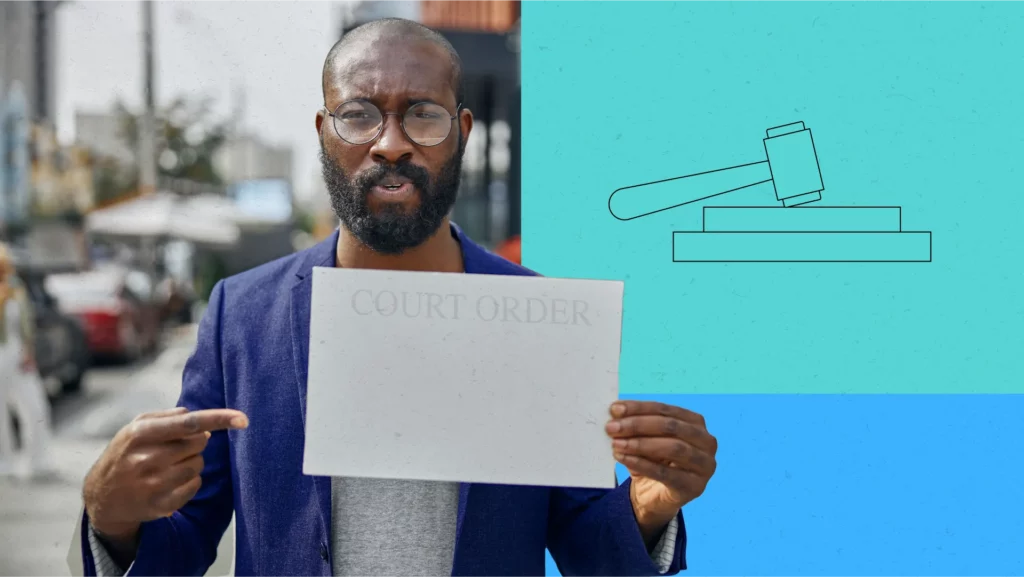
Let’s say a close friend asks you for a loan, promising to return the money within a month. You agree. After all, it’s a friend, right? But weeks turn into months, and after countless reminders, they still haven’t paid you back. Now, you’re left in a tricky situation. One where friendship mixes with finances, and the fine line between understanding and frustration begins to blur.
This is a story many can relate to, and it’s a microcosm of what businesses and lenders face every day. In fact, according to a 2023 report by the World Bank, over $6 trillion in global loans go into default every year. Defaults can hurt not just individual lenders but entire economies, shaking financial stability and growth.
Featured read: Communicating with defaulters 101
The dilemma: At what point do you go from gentle reminders to legal action? This decision is not always straightforward. It’s part science, part art. While acting on impulse might be tempting, the best approach is methodical, blending clear communication, legal knowledge, and financial strategy.
Whether you’re a small lender or a big institution, the decision to pursue legal action against a defaulter is governed by various factors, including the loan type, the borrower’s behavior, and, most importantly, the legal framework in your jurisdiction.
Featured read: APIs for lenders to reduce NPL
The path to legal resolution
First things first: to know when to go legal, you must know how to treat the loan and categorize the default. Every jurisdiction has its rules governing loan defaults and how to respond, which can vary significantly.
Take Nigeria, for example. Here, financial institutions are governed by the Central Bank of Nigeria (CBN) and operate under a set of commercial, standard, and regular banking guidelines. However, even within Nigeria, different banks have internal policies for categorizing defaults. However, there’s a legal trail we recommend for lenders of all sizes:
Clear terms and conditions
Your first line of defense is clear terms and conditions. The legal trail starts before the loan is even issued. Every lender must ensure that loan terms, repayment schedules, penalties, and recourse are explicitly communicated and agreed upon. If this step is skipped or vaguely handled, the road to legal recovery becomes much more treacherous.
Communication
Experts recommend starting conversations with borrowers as soon as a loan becomes overdue. Early engagement might lead to voluntary payments or loan restructuring, saving you from an expensive legal battle.
Size of the loan
For large loans, engaging a lawyer early in the process is advisable. Legal professionals can navigate the complexity of debt recovery laws through arbitration or litigation. While for smaller loans, you may consider alternative routes like small claims courts, depending on what’s available in your jurisdiction. These courts are designed to handle low-value disputes with speed and lower costs.
Timeline
Defining what’s “reasonable” varies by loan type and agreement. In most cases, a loan defaults if payment has not been made after 90-120 days. However, depending on the borrower’s circumstances, every lender should build flexibility into this timeline. If, after this period, it becomes evident that the borrower is avoiding payments with no intention to settle, then it’s time to prepare for legal action.
Featured read: How to restructure loans and work with struggling borrowers
3 ways to go legal with loan defaulters
Understanding your options and how each method fits your recovery strategy can make a big difference. Here’s a look at some of the numerous ways you can go legal on loan defaulters:
Demand letters
Think of a demand letter as your opening move in the debt recovery game. It’s like saying, “Hey, remember the money you owe?” It’s usually the first step and involves formally requesting payment from the borrower. In a demand letter, your legal representative introduces the person on whose behalf the debt is to be collected, the amount owed or current amount owed where interest has accrued, and specifying the amount owed or current amount owed where interest has accrued.
Small claims court
If the money you’re being owed is under N5,000,000 (about $3,000) and you’re a lender in Lagos, the Small Claims Court might be your best bet. This court is designed to handle smaller disputes quickly. It’s less formal, quicker, and more affordable than going through the regular court system.
Legal suit
If a demand letter doesn’t do the trick, you might need to escalate things by going to court. This means filing a suit in the appropriate court to get a formal judgment against the borrower. It’s more formal and might involve a Magistrate Court or High Court, depending on the size of the debt. But you need to factor in the cost of the legal process, the time it takes, and the risk of getting your funds back
Featured read: How the Lendsqr Karma service blocks bad actors and defaulters
Is legal action worth the cost?
In the end, deciding whether to go legal with loan defaulters really comes down to your specific situation. Think of it as weighing your options carefully. Pursuing legal action can sometimes cost more than the debt you’re trying to recover. So, before jumping in, make sure it’s genuinely worth it. Take the time to assess whether the potential recovery outweighs the costs and effort involved. It’s all about striking the right balance to ensure that your pursuit of repayment doesn’t become a costly venture. Else you may wind up losing more while chasing less.