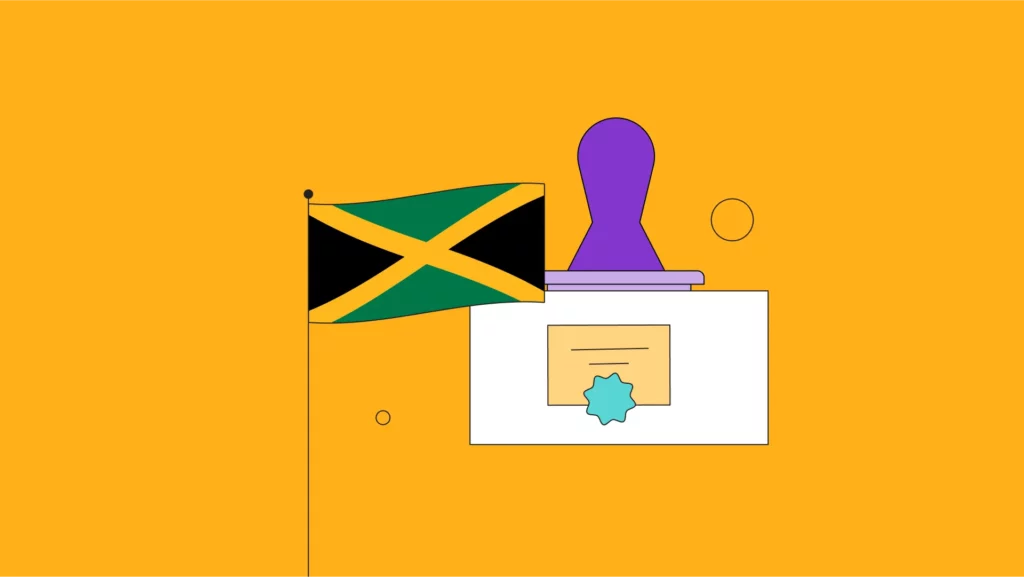
Securing a lending license in Jamaica is significant for anyone looking to tap into the country’s growing financial ecosystem. With a population of over 2.9 million and a steadily expanding middle class, Jamaica represents an increasingly attractive market for lending services. According to the Bank of Jamaica, the country’s financial sector has seen impressive growth, with the loan portfolio in the financial system surpassing J$500 billion in 2023. This increase in loan demand signals a ripe opportunity for local and international lenders to step in.
However, understanding the regulatory scene is critical before entering this promising market. Jamaica’s Financial Services Commission (FSC) plays a pivotal role in maintaining the integrity and stability of the country’s financial systems, and the licensing process for lenders is designed to ensure that only those who meet rigorous standards can operate. With the Jamaican government focusing on financial inclusion and digital banking, the environment is favorable for businesses that can navigate the regulatory processes and deliver innovative lending solutions.
In this guide, we’ll explain the essential steps to securing a lending license and help you understand the requirements and opportunities of doing business in one of the Caribbean’s most dynamic economies.
Overview of Jamaica’s credit ecosystem
Jamaica’s lending ecosystem is a fascinating mix of promise, progress, and persistent challenges. While the country has made commendable strides in stabilizing its economy — reducing its public debt-to-GDP ratio to an impressive 74.2% in 2023, the lowest level in 25 years — access to credit remains uneven, particularly for micro, small, and medium enterprises (MSMEs).
Formal lending in Jamaica presents a two-tiered picture. On one hand, consumers and large corporations find it relatively easier to access credit. Most loans in this segment are secured by traditional forms of collateral, such as motor vehicles and real estate. However, unsecured lending is largely reserved for prime customers, such as public servants or long-standing clients with strong financial histories.
On the other hand, MSMEs — the backbone of Jamaica’s economy — face significant hurdles when seeking financing. These businesses often struggle to meet collateral requirements, which makes traditional banks hesitant to lend. Instead, MSMEs frequently turn to microlenders, microfinance institutions (MFIs), and credit unions for support. While these lenders play a critical role in serving underserved sectors, they are not fully regulated, which raises concerns about risk management and borrower protection. The World Bank has underscored the need to improve oversight of these alternative lenders, especially as their share of lending continues to grow.
One bright spot in Jamaica’s lending scene is establishing its credit reporting system. Countries in the Eastern Caribbean Currency Union (ECCU) as highlighted by the Eastern Caribbean Central Bank (ECCB), countries in the Eastern Caribbean Currency Union (ECCU) have observed a clear link between credit bureau implementation and a decline in non-performing loans (NPLs). In Jamaica, improved credit reporting has enhanced creditor risk management and contributed to more sustainable lending practices.
Access urgent loans from a network of lenders in Jamaica
Explore top loan apps that provide fast and reliable solutions to meet your immediate financial needs effortlessly.
Like many Caribbean nations, Jamaica grappled with a high level of NPLs before its credit bureau, which slowed credit expansion and economic growth. The improved credit ecosystem narrows information gaps and gives financial institutions better tools for evaluating borrowers. However, utilization remains suboptimal. Many banks have yet to fully leverage credit bureau data, often sticking to outdated processes that favor large, well-established customers.
For lenders, this presents both a challenge and an opportunity. On one hand, the demand for credit is clear; on the other, barriers persist, especially for MSMEs. The real issue isn’t the lack of demand but the inaccessibility and inefficiencies in systems connecting lenders and borrowers.
Key regulators in Jamaica’s credit ecosystem
Here are some key regulators you’ll likely engage with when you get started as a lender in Jamaica.
Bank of Jamaica (BOJ)
As the country’s central bank, the BOJ oversees monetary policy and regulates deposit-taking institutions such as commercial banks, credit unions, and building societies. It ensures financial system stability and sets guidelines for credit operations.
Financial Services Commission (FSC)
The FSC regulates non-deposit-taking financial institutions, including insurance companies, securities dealers, and pensions. It also monitors microfinance institutions (MFIs) under the Microcredit Act, ensuring fair practices in the non-bank lending sector.
Consumer Affairs Commission (CAC)
While not a direct financial regulator, the CAC ensures lenders treat borrowers fairly, address disputes, and promote transparency in credit agreements.
Explore providers in Jamaica to power your lending business
Discover a curated selection of payment gateways, credit bureaus, KYC services, and more — all in one convenient hub.
Steps to get a microcredit (lending) license in Jamaica
Incorporate your company: Ensure your business is registered as a company under the laws of Jamaica. Only incorporated entities are eligible to apply for a microcredit license.
Prepare your application: Complete the prescribed application form on the BOJ’s official website. Assemble all required documents, including:
- Certificate of incorporation: A certified copy confirming your company’s legal status.
- Tax Registration Number (TRN): Proof of your company’s tax identification.
- Fit and proper questionnaire: Completed forms for each director, senior officer, and substantial shareholder, assessing their suitability to operate a financial institution.
- Business plan: A comprehensive plan outlining your business model, target market, financial projections, and risk management strategies.
- Anti-Money Laundering (AML) and Counter-Financing of Terrorism (CFT) policies: Detailed policies demonstrating your commitment to preventing financial crimes.
Submit your application: Submit the completed application form and all supporting documents to the BOJ. Ensure accuracy and completeness to avoid processing delays. Pay the non-refundable application fee as specified by the BOJ. Include proof of payment with your submission.
Undergo assessment: The BOJ will evaluate your application, including the ‘fit and proper’ assessments of key individuals and the viability of your business. Be prepared to provide further details or clarifications if requested by the BOJ during their assessment.
Await decision: If your application meets all regulatory requirements, the BOJ will grant a microcredit license, authorizing you to commence operations. However, If your application is unsuccessful, the BOJ will inform you of the reasons, and you may address the issues and reapply.
Featured read: Key providers for lenders in Jamaica
Primary compliance
Once licensed, adhere to the following obligations:
Operational separation: Maintain your microcredit business operations separate from other business activities. Not managing risks like this is one of the reasons lenders fail within a year.
Record keeping: Keep accurate records of all transactions for at least seven years.
Confidentiality: Ensure all customer information remains confidential and in compliance with data protection laws. A borrower’s right to privacy is non negotiable.
Annual audits: Conduct yearly audits by an external auditor and submit financial statements to the BOJ within 120 days of the end of each financial year.
Your move, Lender!
Securing a lending license in Jamaica isn’t just about checking regulatory boxes — it’s about positioning yourself in one of the Caribbean’s most promising financial markets. The opportunity is ripe for those ready to leap with a growing demand for credit, particularly from underserved MSMEs.
Yes, the process involves some heavy lifting, from paperwork to compliance, but it’s all designed to ensure stability and trust in the ecosystem. Once licensed, you’ll contribute to Jamaica’s financial growth and build a business that serves real needs. Let us help you get started today.
You need the right technology for lending success
We’re in the business of helping lenders worldwide have access to the best technology, and use credit to lift billions to their dreams and a better life.