


What are the problems associated with lending money in Nigeria?
Every day, thousands of Nigerian lenders wake up to face a market that’s equal parts promising and precarious. The nation’s vast population, entrepreneurial spirit, and rapidly growing SME sector make it an attractive ground for credit services. Over 40 million MSMEs account for nearly half of Nigeria’s GDP, and many of these businesses rely on […]

How to secure your Finance House license in Nigeria
Today, though, we’re diving into the nitty-gritty of how to get a Finance House license. Don’t worry. We’ll walk you through the steps and show you precisely what you need. But first, let’s do a quick refresher on what a Finance House license is all about.

5 things you need to do before you launch your loan app
You see, building an app is one thing. Launching it successfully? That’s an entirely different ballgame. Steve’s mistake? He rushed to market without setting up the right foundation. Today, we’ll help you avoid that mistake. If you’re thinking of launching a loan app, here are five things you absolutely must do first.

Why Lendsqr is Africa’s most affordable loan management software
The end-to-end loan management software that’s rewriting the rules for lenders globally by offering enterprise-grade features without the enterprise-grade costs.
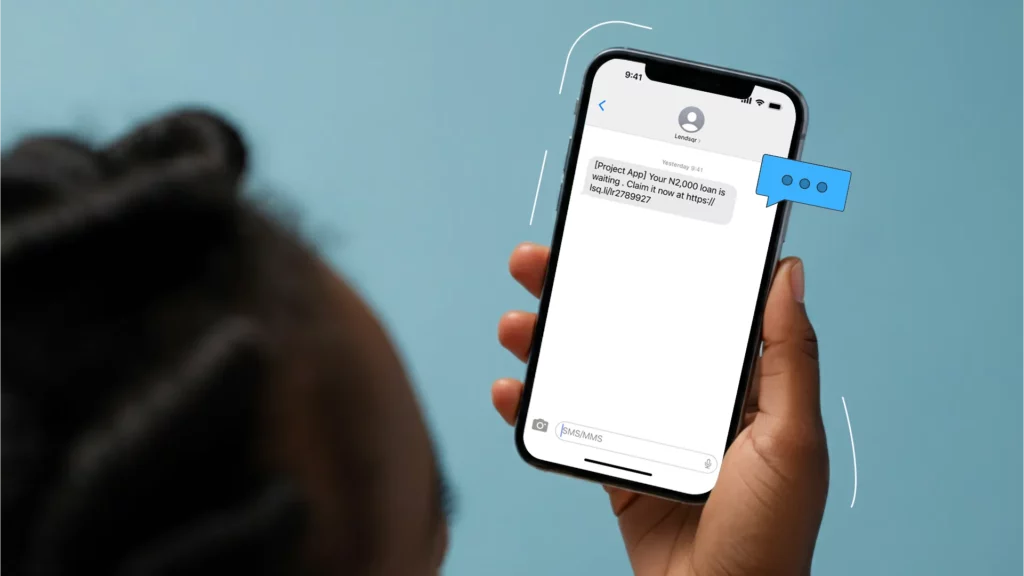
How to get your SMS sender ID as a lender in Nigeria
Nigeria's population of over 220 million people represents a massive potential customer base for businesses, particularly in the financial sector. Mobile penetration rates have reached 87% with 172 million mobile subscribers. This is why lenders must capitalize on SMS because it guarantees broad access to customers.

How to get your USSD code as a lender in Ghana
Getting a USSD code as a lender in Ghana is a smart move. Mobile phone usage is nearly universal, with a mobile penetration rate exceeding 113%, due to the widespread use of multiple SIM cards. This makes mobile devices a powerful tool for businesses, particularly lenders, looking to connect with potential customers. For lenders, this […]

How to get lending license in Ghana
Getting a lending license in Ghana demands careful planning, from getting capital to building a strong operational foundation.

Why you need to work at Lendsqr and how to land a role with us
You’ve successfully passed the initial screening. Congratulations! Now you’re entering the interview phase, and we want to help you prepare. Here’s a step-by-step breakdown of what to expect, and how to make the most of your opportunity with us.

What investors want to see before they fund your loan startup
So, what exactly do investors want before they fund your loan startup? Let’s break it down.

5 ways to raise capital to bootstrap your loan business
So, where do you start if you're looking to bootstrap your loan business? Let's explore five practical and proven methods for raising capital that won’t leave you with crippling debt or force you to give away chunks of your company.

Don’t have access to GSI? Use direct debit to achieve same result
With the right strategies in place, you can substitute GSI with direct debit and still achieve similar results. Let’s break this down.