
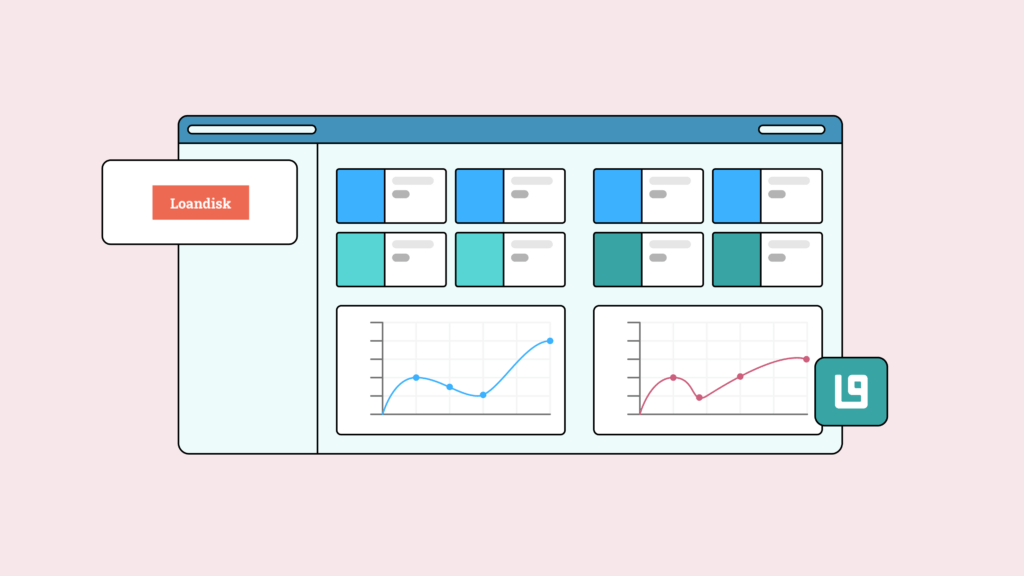
How to use Loandisk with Lendsqr
LoanDisk helps lenders manage borrowers, loans, repayments, and customer records, while Lendsqr provides a broader lending infrastructure that supports loan origination, underwriting, collections, and automation. This guide explains how to use LoanDisk alongside Lendsqr, covering integration options, workflow considerations, data synchronization, and best practices for creating a more efficient lending operation across customer onboarding, loan management, and repayment tracking.
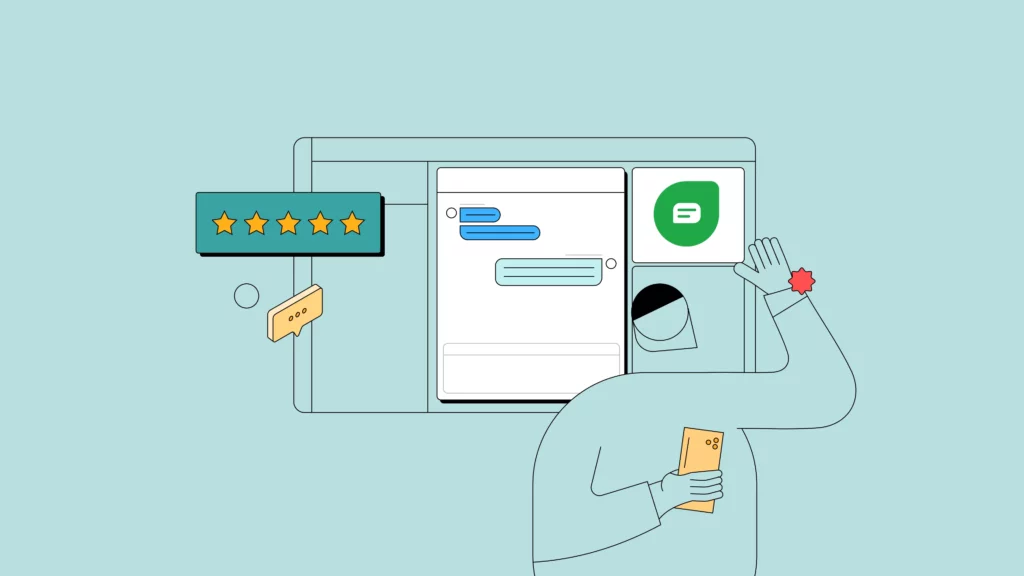
How to use Freshchat with Lendsqr for your in-app chat experience
Providing timely support and assistance can significantly improve the borrower experience. By integrating Freshchat with Lendsqr, lenders can offer real-time in-app messaging that helps customers get answers, resolve issues, and navigate the lending process without leaving the platform. This guide explains how to set up Freshchat with Lendsqr, configure the integration, and use it to create a more responsive and engaging customer support experience.

How to use Lendsqr to power your company employee loans
Did you know you can manage your staff loan program with the Lendsqr loan management software? We’ll show you how
Important regulators every Nigerian lender should know
Operating a lending business in Nigeria requires more than capital and customers, it also requires compliance with the country's regulatory framework. From licensing and consumer protection to data privacy and credit reporting, several regulators play important roles in overseeing lending activities. Understanding who these regulators are and what they require can help lenders avoid penalties, build trust with borrowers, and operate sustainably in an increasingly regulated financial ecosystem.
Essential platforms and tools to automate your lending business
Running a lending business manually can slow growth, increase operational costs, and expose lenders to unnecessary risk. The right technology stack can automate everything from customer onboarding and credit checks to loan disbursement, collections, reporting, and customer support. This guide explores the essential platforms and tools lenders need to streamline operations, improve borrower experiences, and scale efficiently in today's digital lending landscape.

Legal compliance pitfalls lenders must avoid in Nigeria
Gone are the days of loan-sharking tactics in Nigeria's modern, regulated lending ecosystem. Lenders who hope to make a lasting impact and withstand the hurdles in this space must be prepared to toe the line of honest, legal and ethical lending. Else, they risk being booted out of the ecosystem. Stay out of trouble with these 10 legal compliance areas.

How to find a profitable lending niche and target the right borrowers
As a loan business owner looking to succeed, scale and stand out in the lending ecosystem, you must recognize that you can’t lend to everyone. We’ve highlighted several ways to target the right borrowers and find a profitable niche.
4 alternative lending channels to reach underserved borrowers
Most African countries need easier access to credit. While there has been substantial progress over the past decade, access to finance remains a daunting constraint in Africa. So, how do we connect with these underserved populations and bring credit closer to them?
Key loan management software features for improved performance
Lending without technology is a step backwards which can adversely impact your profitability. To navigate the complexities of lending, having the right loan management software is indispensable.
Collect smarter, not harder: Ethical debt collection with technology
As a digital lender, how can technology be ethically employed for effective debt recovery? To find out how...

Categories of low-risk borrowers lenders should target
Saying, “I don't want high-risk borrowers,” is one thing; articulating the low-risk customers you seek is another. We have done the grunt work of identifying and categorizing traditionally low-risk borrowers.