


5 best Paystack alternatives for card payment in Nigeria
When it comes to getting paid as a lender, having a dependable card payment solution is paramount. So, if you're curious to find the right fit for your lending business, come along.

How to obtain a lending license in Rwanda
As a lender getting the hang of the lending industry in Rwanda today, a thorough understanding of the legal frameworks is required.

10 intriguing facts about Lendsqr
Lendsqr is way more than a loan management platform. At the core of our services is a story. One woven with threads of innovation and, some might say intrigue.

What collateral do you need to protect your loan business?
Lenders need to be smart about what kind of collateral they accept, but they also want to make sure that all sorts of businesses and people have a chance to get the loans they need to grow.

How to use Route Mobile with Lendsqr for sending SMS
Once you have your Route Mobile API key, log in to your Lendsqr account. Reach out to our product support team at [email protected] and get set up in 10 minutes.

5 types of lending model
Lending is not a one-size-fits-all business. Different lenders operate with different structures, risk models, customer segments, and repayment approaches depending on their market and goals. Understanding the various lending models is important for choosing the right strategy, technology, and operational process for sustainable growth. In this article, we explore five common types of lending models, how they work, and the kinds of borrowers and institutions they are best suited for.

How we use Metabase to power our internal reporting
Data-driven decision-making is critical for modern teams, but building reliable internal reporting systems can quickly become complex without the right tools. From tracking operational performance to monitoring customer activity and business growth, organizations need reporting systems that are flexible, accessible, and easy to scale across teams. In this article, we explore how we use Metabase to power our internal reporting, including how we structure dashboards, monitor key metrics, automate reporting workflows, and make business data more accessible across the organization.
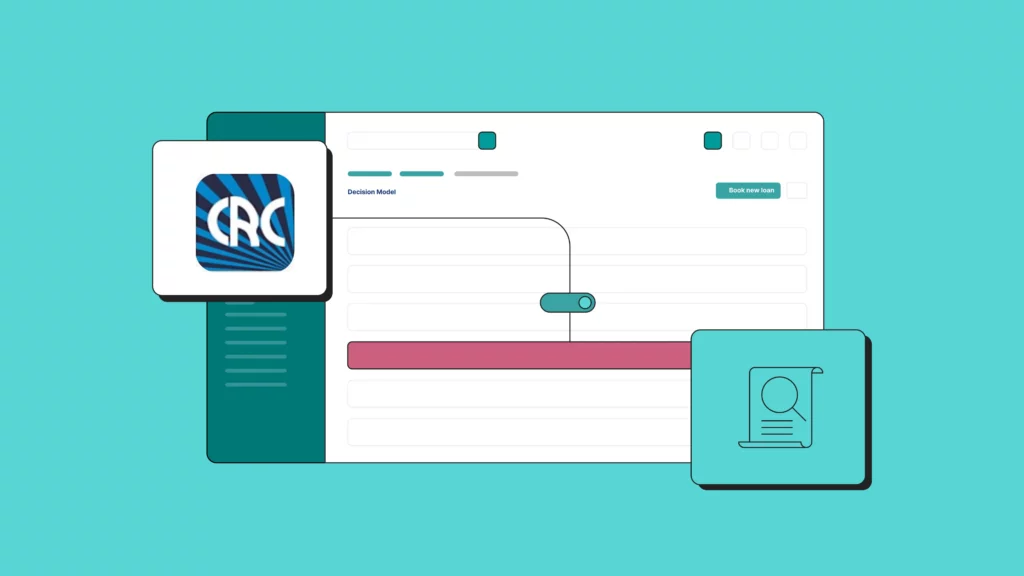
How to set up CRC Credit Bureau for Lendsqr
Integrating CRC Credit Bureau with Lendsqr helps lenders make faster and more informed credit decisions by giving them access to borrower credit history directly within their lending workflow. This guide walks through the setup process step by step, from obtaining your CRC credentials to configuring the integration on Lendsqr. Whether you are onboarding a new lending operation or improving an existing credit process, setting up CRC correctly can help reduce risk, strengthen underwriting, and improve overall loan performance.

How we built our URL shortener (Monstrator) as a replacement for Bitly
Monstrator is Lendsqr’s in-house URL shortener built as a scalable replacement for Bitly, designed to give us full control over link tracking, reliability, and performance across our marketing and product communications. In this article, we break down why we moved away from third-party tools, the architecture behind Monstrator, and how it was engineered to handle high-volume link generation while providing accurate analytics and seamless integration across our ecosystem.

How to use Infobip with Lendsqr as an SMS provider
Integrating Infobip with Lendsqr allows lenders to automate and manage SMS communication across the entire lending journey, from OTP verification and loan application updates to repayment reminders and collections messaging. This guide walks through how to connect Infobip as your SMS provider on Lendsqr, configure messaging settings, and ensure reliable delivery for customer notifications at scale.

How to use Loandisk with Lendsqr
LoanDisk helps lenders manage borrowers, loans, repayments, and customer records, while Lendsqr provides a broader lending infrastructure that supports loan origination, underwriting, collections, and automation. This guide explains how to use LoanDisk alongside Lendsqr, covering integration options, workflow considerations, data synchronization, and best practices for creating a more efficient lending operation across customer onboarding, loan management, and repayment tracking.