


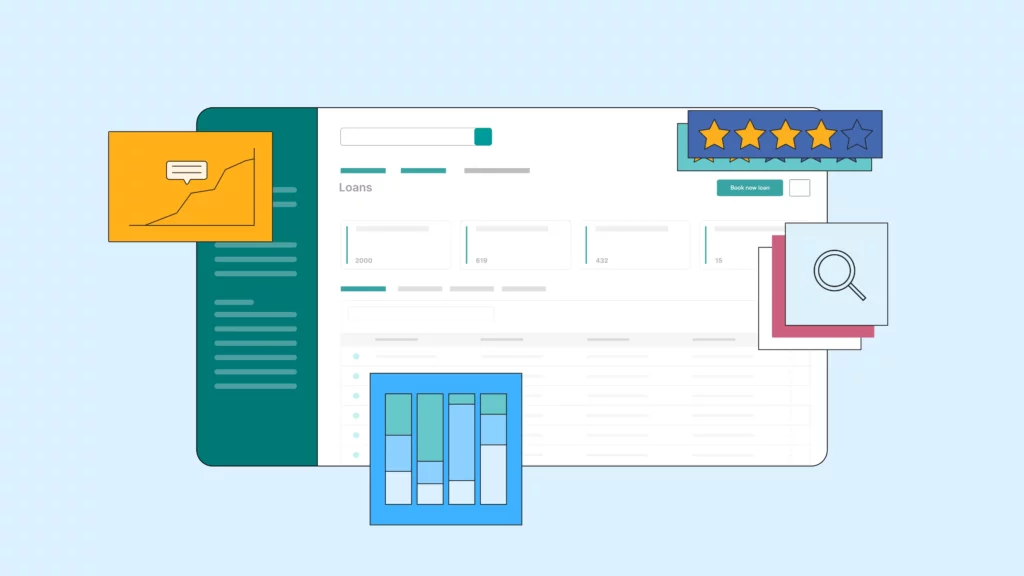
What is a loan management software?
A loan management software is a platform that helps lenders automate and manage the entire lifecycle of a loan, from application and approval to disbursement, repayment, and collections. Instead of relying on spreadsheets and manual processes, lenders can use loan management software to streamline operations, improve borrower experiences, reduce risk, and gain better visibility into their loan portfolios. Whether serving consumers, small businesses, or enterprises, the right loan management system enables lenders to scale efficiently while maintaining control and compliance.

How to restructure loans and work with struggling borrowers
Loan restructuring is a common aspect of being a money lender. Borrowers, with sincere intentions to repay, often face hurdles such as economic shifts, unexpected emergencies, and other unforeseen circumstances. So, here are the ways you can help restructure loans for these borrowers.

How we dumped SendGrid, built Mailer and solved our email delivery troubles
When we started Lendsqr, like every right thinking startup, we relied on SendGrid, which is well-regarded as one of the top email systems globally. While it served us well, as we grew, we found it didn't fully meet all our needs and those of our lenders anymore. After weighing the pros and cons, we knew it was time to find an alternative. So, we began building what the world would soon know as Mailer.

How to find a profitable lending niche and target the right borrowers
As a loan business owner looking to succeed, scale and stand out in the lending ecosystem, you must recognize that you can’t lend to everyone. We’ve highlighted several ways to target the right borrowers and find a profitable niche.

7 strategies to avoid SME loan defaults as a Nigerian Lender
While SMEs are generally considered low-risk borrowers, given the ease of verifying their operations through cash flow assessments, on-ground assessments and more. Lending to them is not without its challenges. We’ve done the grunt work for you. Learn the strategies to avoid SME loan defaults as a Nigerian lender.

4 alternative lending channels to reach underserved borrowers
Most African countries need easier access to credit. While there has been substantial progress over the past decade, access to finance remains a daunting constraint in Africa. So, how do we connect with these underserved populations and bring credit closer to them?

Categories of low-risk borrowers lenders should target
Saying, “I don't want high-risk borrowers,” is one thing; articulating the low-risk customers you seek is another. We have done the grunt work of identifying and categorizing traditionally low-risk borrowers.

5 reasons why manual loan booking is still relevant for lending
As digital lending continues to expand, automation often dominates conversations around loan origination and borrower onboarding. However, manual loan booking remains highly relevant for many lenders, especially those operating in complex markets, serving underserved borrowers, or handling specialized loan products that require human review and judgment. In many cases, manual processes provide the flexibility and contextual understanding that fully automated systems may struggle to replicate. In this article, we explore five reasons why manual loan booking still matters in modern lending. From supporting relationship-based lending and handling edge-case applications to improving risk assessment and operational control, this guide highlights why many lenders continue to combine automation with manual review processes to build more resilient and effective lending operations.

Is your loan business truly financially inclusive?
Are you truly "Granting credit access to the underserved"? Is it just a spiel that you tell your customers and investors to give them more trust in your business? Find out if your loan business is truly inclusive.

Coverdey dey for you: Empowering underserved traders with credit
Access to credit remains one of the biggest barriers for underserved traders, many of whom rely on inconsistent cash flow to sustain their businesses. Coverdey aims to bridge this gap by providing accessible and flexible credit solutions tailored to their daily realities. By empowering traders with the financial support they need to restock, scale, and stabilize their operations, the initiative plays a vital role in driving inclusion and strengthening grassroots commerce.

What problem is Lendsqr solving for lenders?
At Lendsqr, we believe that just like the way the internet created a level playing field and ushered Africa into the modern age, technology for lending should be powerful, accessible, and affordable.