

What investors want to see before they fund your loan startup
So, what exactly do investors want before they fund your loan startup? Let’s break it down.

Don’t have access to GSI? Use direct debit to achieve same result
With the right strategies in place, you can substitute GSI with direct debit and still achieve similar results. Let’s break this down.

When to go legal with loan defaulters
Whether you're a small lender or a big institution, the decision to pursue legal action against a defaulter is governed by various factors, including the loan type, the borrower's behavior, and, most importantly, the legal framework in your jurisdiction.

When silence speaks volume: communicating with defaulters 101
When a borrower stops responding, silence can be just as frustrating as a missed payment. But effective collections are not only about sending more reminders. They are about understanding why borrowers go quiet and knowing how to communicate in a way that encourages a response. This guide explores practical ways lenders can communicate with defaulters, handle difficult conversations, and improve recovery without damaging the borrower relationship.

13 female CEOs shaping the Nigerian credit ecosystem
Meet 13 female CEOs who are making their mark on Nigeria’s credit ecosystem. From digital lending and fintech to financial inclusion, these women are building companies, expanding access to credit, and shaping how lending continues to evolve in Nigeria.

How lack of consequence for loan defaults is destroying the African credit ecosystem
When borrowers can default on loans without meaningful consequences, the damage goes far beyond a single unpaid debt. It weakens lenders, distorts credit decisions, raises borrowing costs, and makes it harder for responsible borrowers to access credit. Across Africa, weak consequences for loan defaults are creating a cycle that threatens the growth of a healthier credit ecosystem. This article explores how we got here and what needs to change.
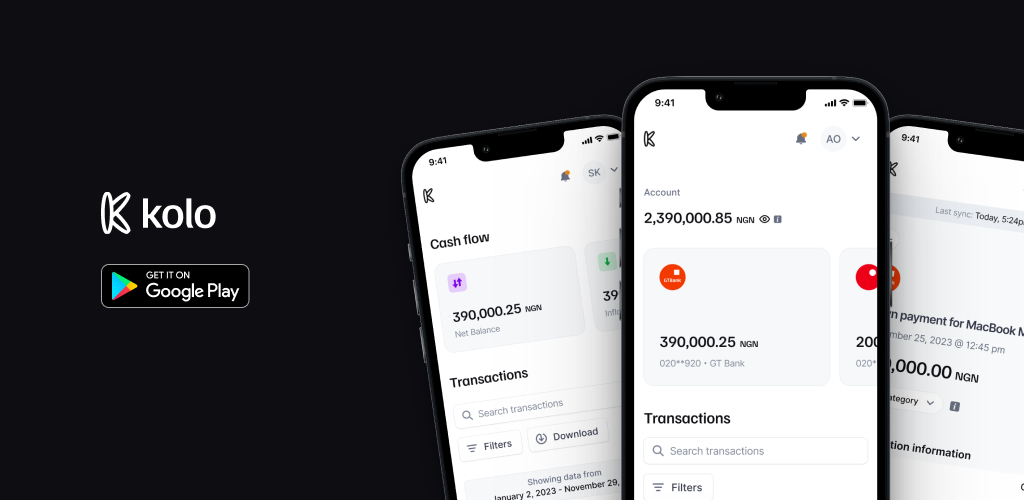
8 reasons why you should NOT use Kolo
Let's explore the different reasons why you shouldn’t make use of your Kolo account or encourage your family and friends to do so.
Let’s protest against financial indiscipline
Financial indiscipline is not always about how much money we have, but how we manage what we have. Poor spending habits, impulsive borrowing, unpaid debts, and weak financial planning can affect individuals, businesses, and the wider economy. It is time to examine the habits that keep us financially stuck and ask what we can do differently. Here are practical reasons to take a stand against financial indiscipline.
Take control of your finances this July with Kolo
July is a good time to take a closer look at your finances, reset your spending habits, and build a more consistent saving routine. Kolo offers a simple way to set money aside regularly while keeping your savings goals in focus. Whether you are saving for an upcoming expense or simply trying to become more disciplined with your money, here are practical ways to take control of your finances this July with Kolo.
Answering your most asked questions
Kolo is designed to make managing your finances simpler, from saving and tracking your money to staying on top of your financial goals. In this article, we answer some of the most frequently asked questions about Kolo, how it works, and how you can make the most of the app.
Debt management strategies
Managing debt effectively requires more than simply making repayments. The right strategy can help borrowers prioritise their debts, reduce financial pressure, avoid missed payments, and work towards becoming debt-free. This article explores practical debt management strategies and how to build healthier borrowing and repayment habits.